Perfect Guide to Climbing Mt. Fuji
Scaling New Heights: Your Ultimate Guide to Conquering Mt. Fuji

- +2 37
-

-


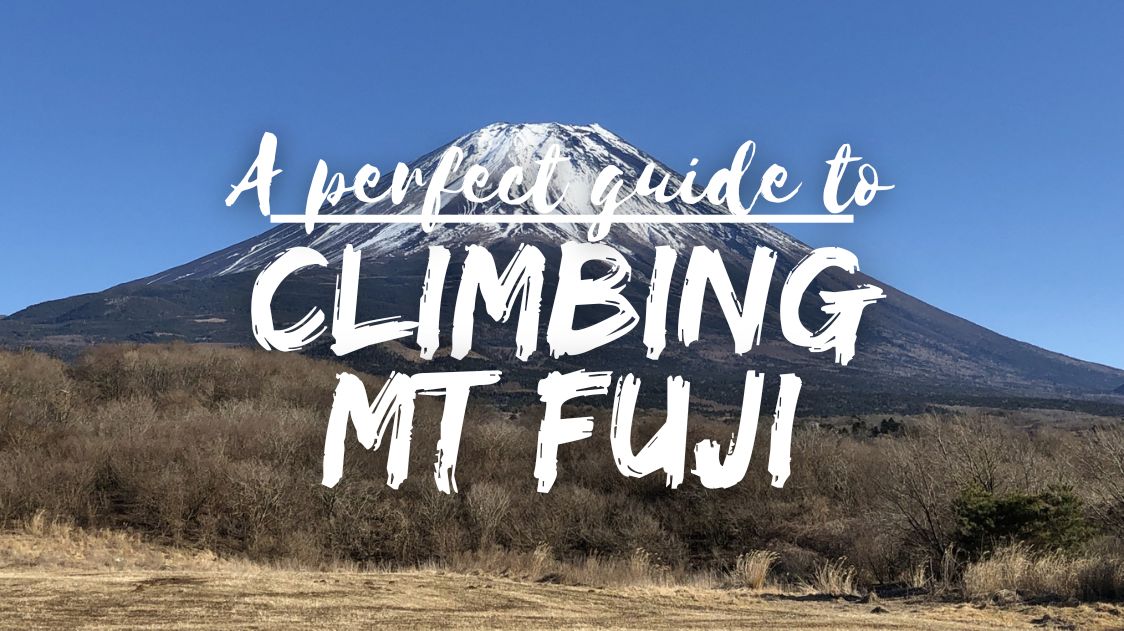
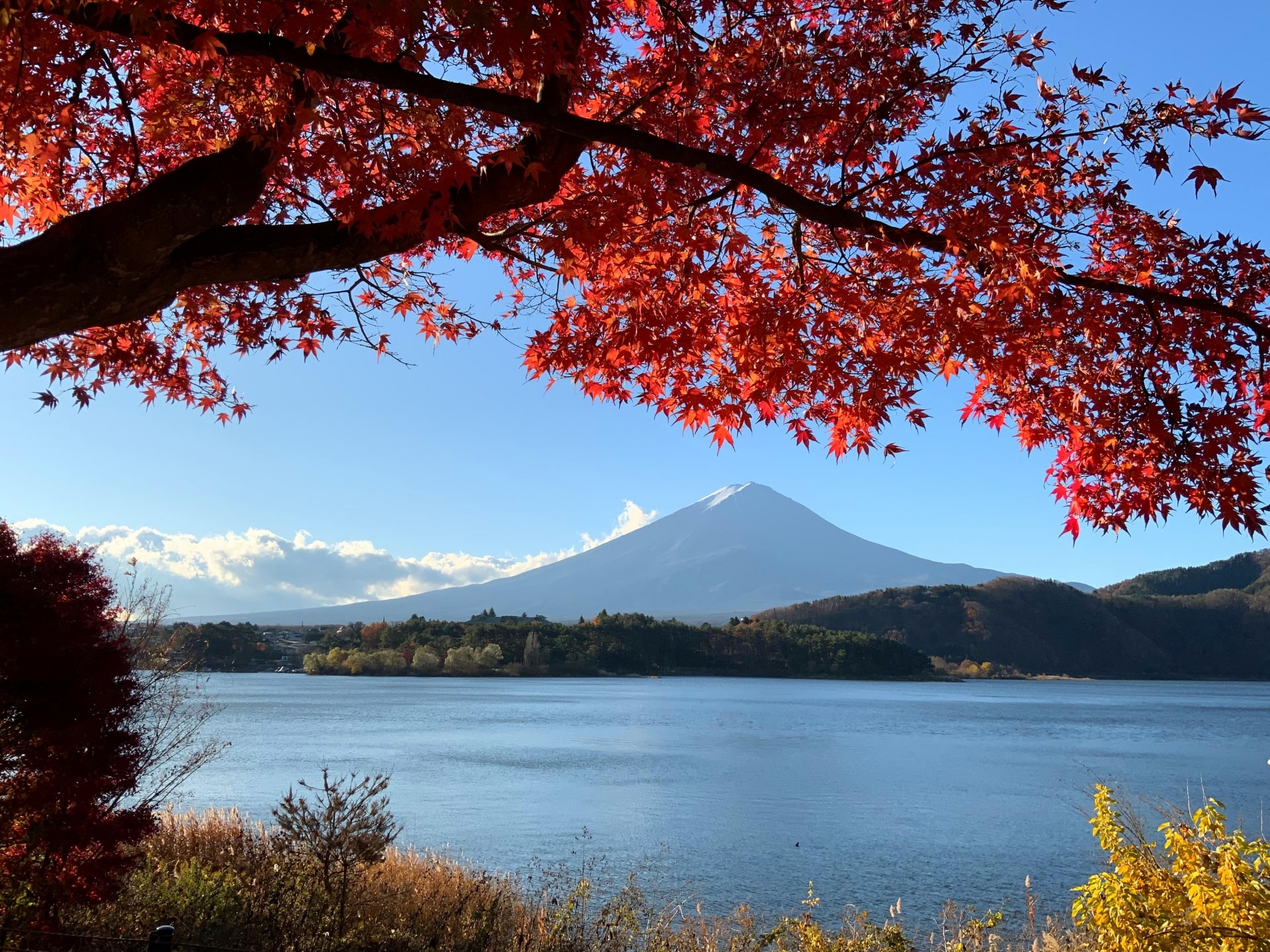
Standing tall at 3,776 meters, Mt. Fuji (富士山) represents a lot more than just being Japan’s highest peak—it’s a symbol of the nation’s spirit, and a noteworhty goal for adventurers worldwide. Climbing Mt. Fuji, besides the physical challenge, is a journey into the heart of Japanese culture. Shared between the prefectures of Yamanashi and Shizuoka, the mountain’s ethereal beauty has inspired countless artworks, its snow-capped summit a sight to behold.
But the real magic? That’s in the climb. Ascending Mt. Fuji, you’ll witness breathtaking sunrises, traverse unique terrains, and experience a sense of achievement that’s truly unparalleled. Ready to conquer the mountain? Let’s start the climb!
*Please note that this article contains affiliate links.
Understanding Mt.Fuji Climbing Seasons
The best time to climb Mt. Fuji is during the official climbing season, which typically runs from early July to mid-September. During this period, the mountain huts are open, and medical assistance is available. The weather is also relatively stable, although sudden changes can occur. Outside of this season, climbing is strongly discouraged due to severe weather conditions, the risk of avalanches, and the lack of support facilities. Remember, the mountain isn’t going anywhere, so it’s best to wait for the right season to enjoy a safe and memorable climb.
Preparing for the Climb
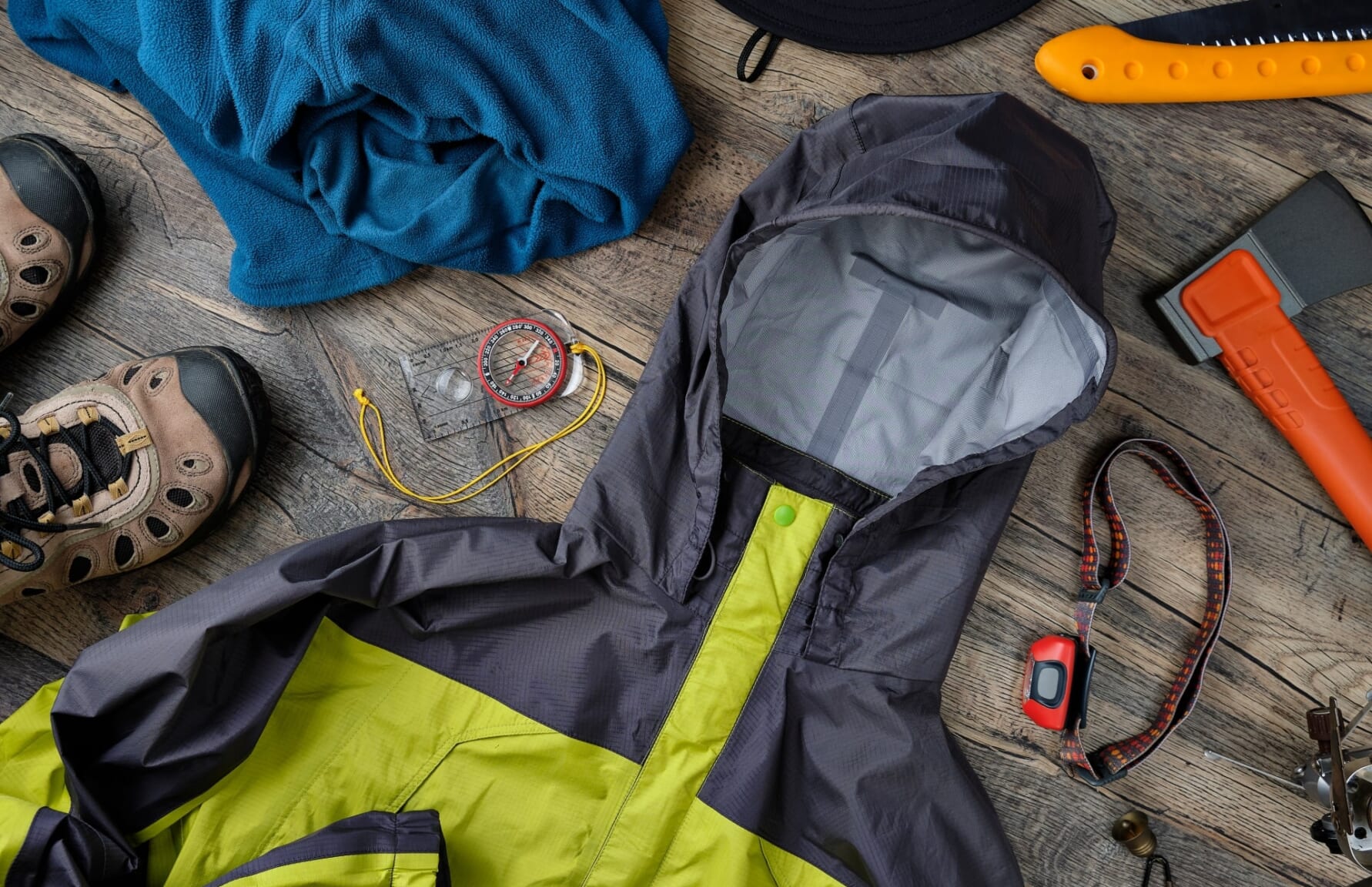 Climbing Mt. Fuji is a serious endeavor requiring a good level of physical fitness. Regular cardio exercises like running, cycling, and stair climbing can help prepare your body for the strenuous ascent. Strength training, particularly for your legs and core, is also beneficial.
When it comes to gear, sturdy hiking boots, warm clothing layers, rain gear, and a headlamp are essentials. Don’t forget a good-quality backpack to carry your supplies, including plenty of water and high-energy snacks.
Altitude sickness can affect anyone, regardless of fitness level. Symptoms include headaches, nausea, and dizziness. To minimize the risk, ascend slowly, stay hydrated, and consider spending a night at one of the mountain huts to acclimatize. If symptoms become severe, descend immediately.
Mt. Fuji Climbing Routes
The route you choose to climb Mt. Fuji can significantly shape your journey. There are four main routes, each with its distinct character, challenges, and rewards. Let’s delve deeper into what each trail offers:
Yoshida Trail (Yellow)
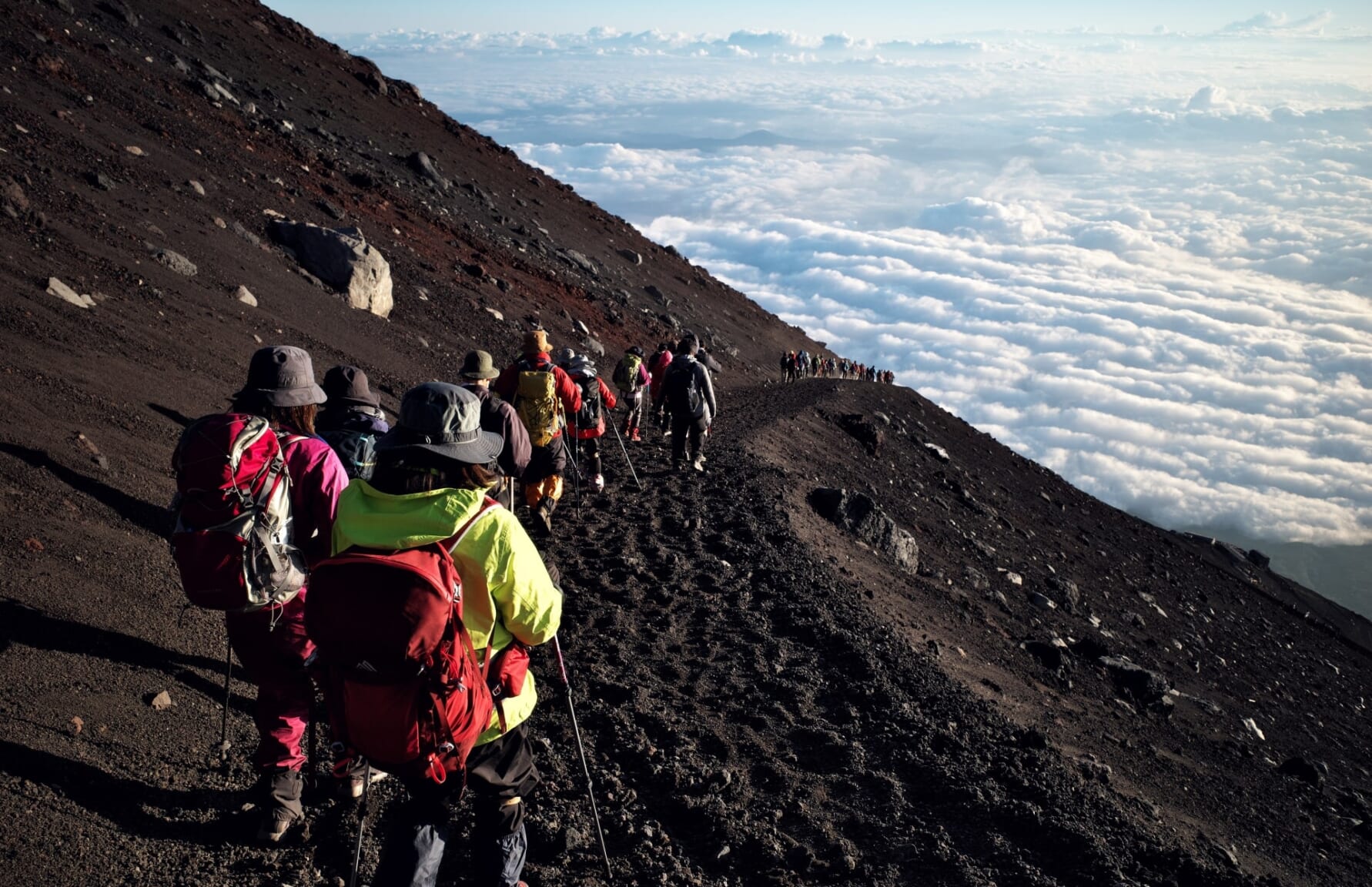 The Yoshida Trail (吉田ルート), also known as the Yellow Trail, is the most popular and often the recommended route for first-time climbers. Starting from the fifth station, this trail is well-marked and offers a plethora of mountain huts, making it a safer and more comfortable choice for beginners.
The trail is known for its breathtaking sunrise views from the 8th station, a sight that has become synonymous with the Mt. Fuji experience. However, its popularity can also mean crowded paths, especially during peak season.
Please note that, because of the increasing crowds in this trail, from the summer 2024 season onwards, a 2,000 yen fee will be charged to all visitors choosing to climb on the Yoshida trail.
Subashiri Trail (Red)
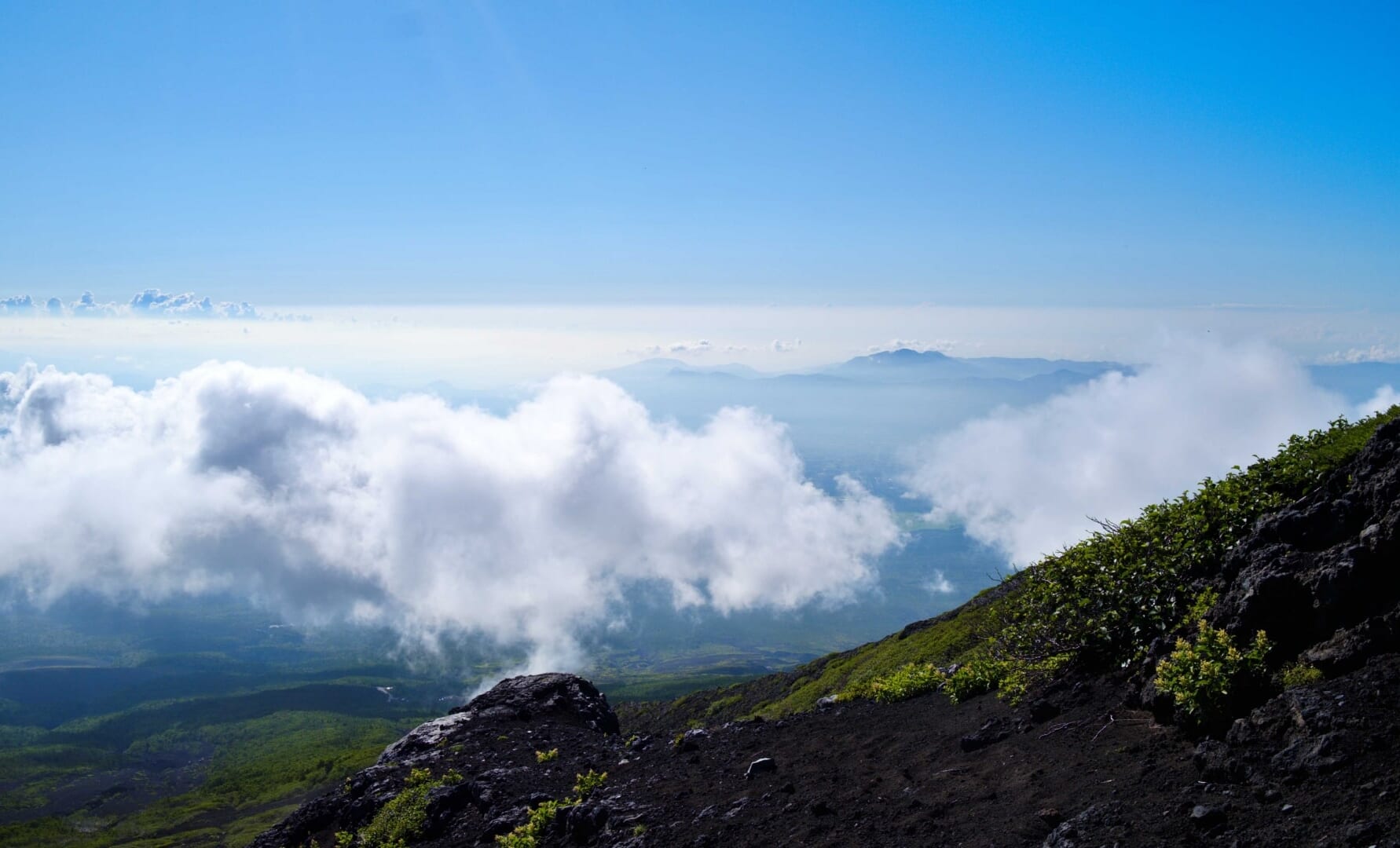 The Subashiri Trail (須走ルート), or Red Trail, is a less crowded alternative that offers a serene and somewhat more tranquil climbing experience. The trail starts in a beautiful forest, providing a different scenery compared to the other routes. It merges with the Yoshida Trail at the 8th station, so climbers won’t miss the spectacular sunrise views that Mt. Fuji is famous for. However, the descent can be challenging due to the loose volcanic soil, requiring careful navigation.
Gotemba Trail (Green)
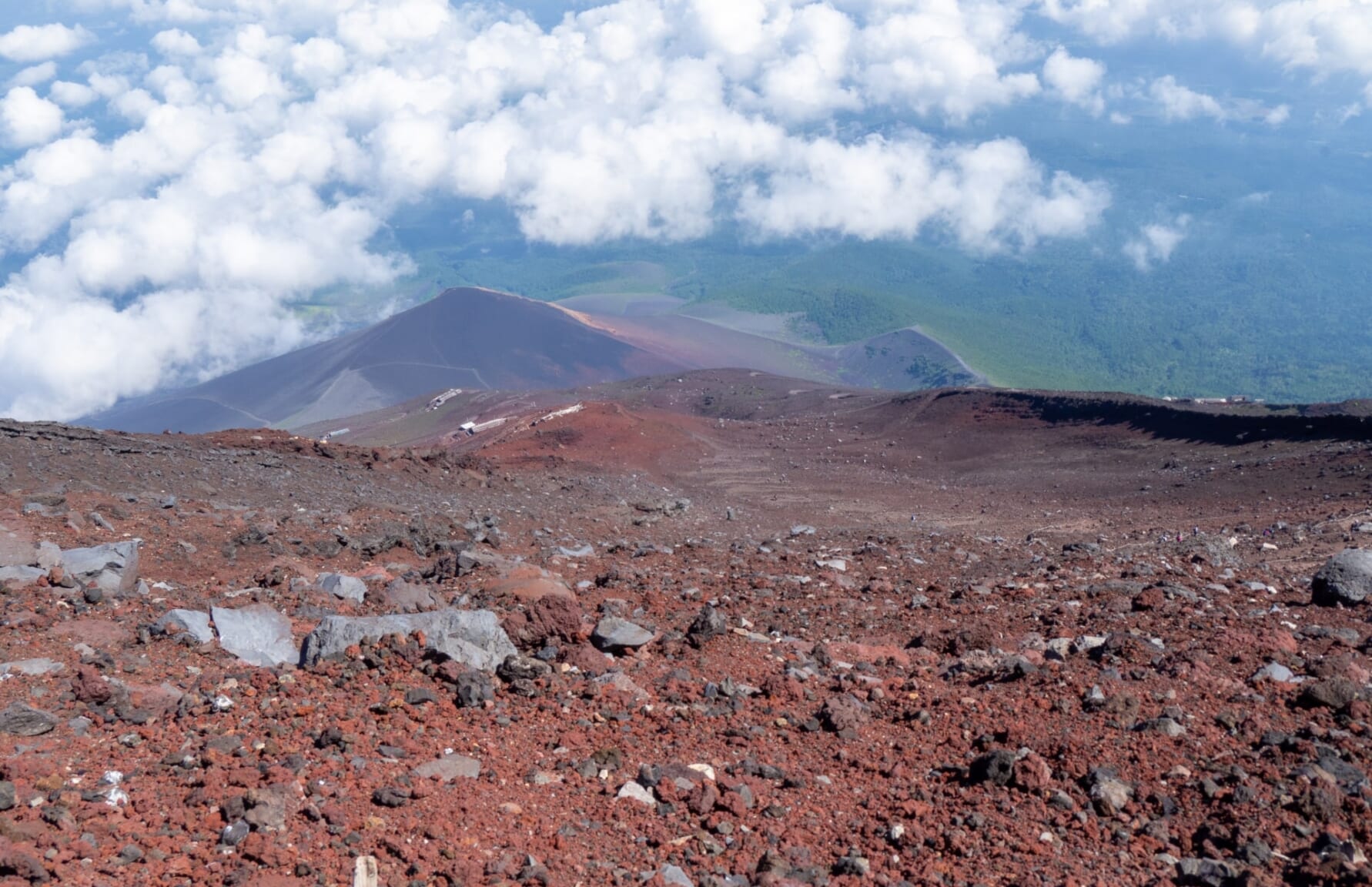 The Gotemba Trail (御殿場ルート), or Green Trail, is the longest and least steep of the four main routes. It’s a less crowded path that offers unique scenery, including the Osunabashiri, a large sandy slope that’s a testament to Mt. Fuji’s volcanic nature. This trail is often chosen by experienced climbers seeking a challenge and those who prefer a less crowded path. However, its length and the lack of mountain huts make it a more physically demanding and less supported route.
Fujinomiya Trail (Blue)
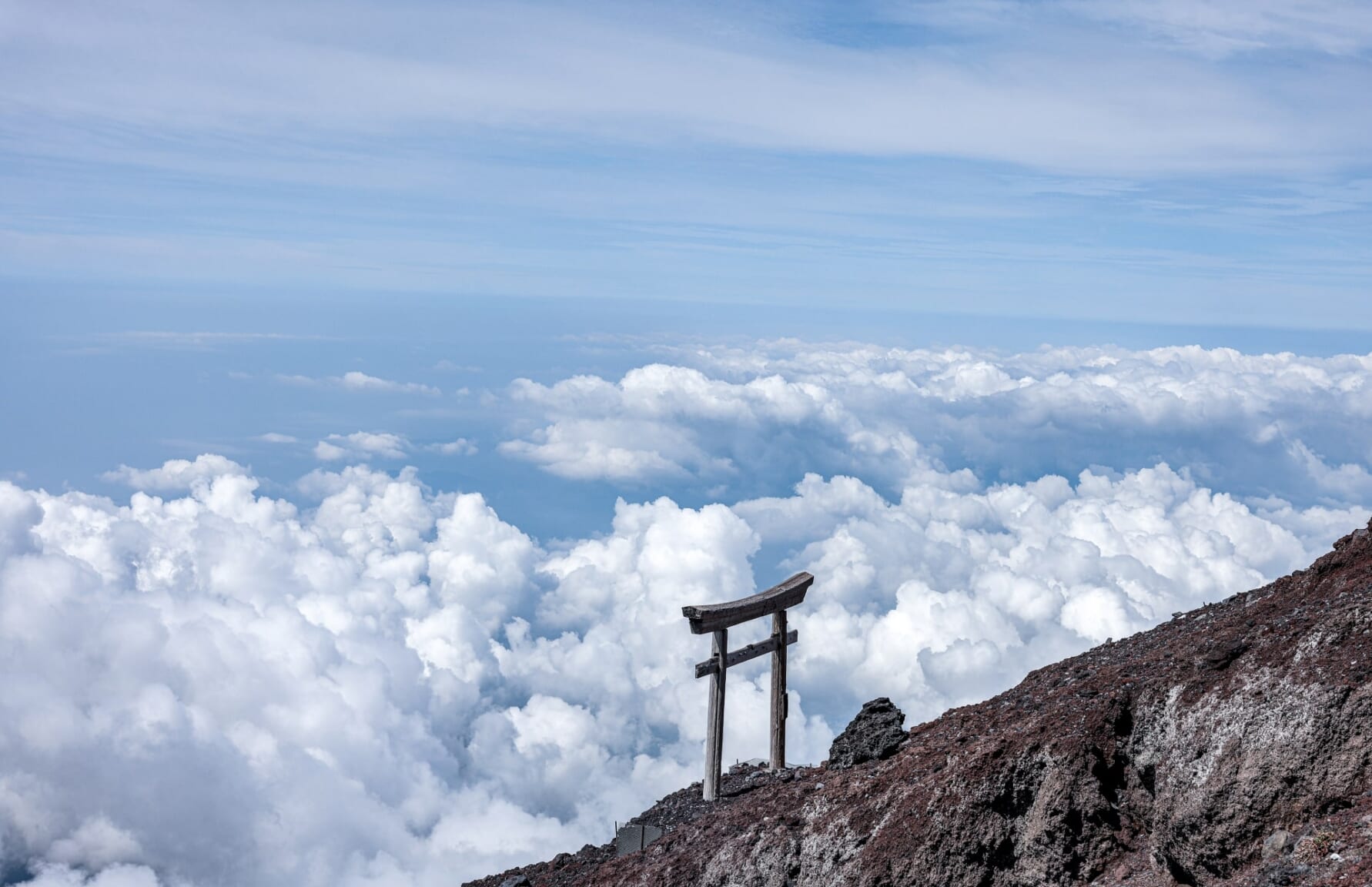 The Fujinomiya Trail (富士宮ルート), or Blue Trail, is the shortest but also the steepest route to the summit. It’s the closest to Tokyo and offers direct access to the summit, making it popular among climbers. However, its steepness and popularity can make the climb quite challenging, especially during peak season when the trail can get crowded.
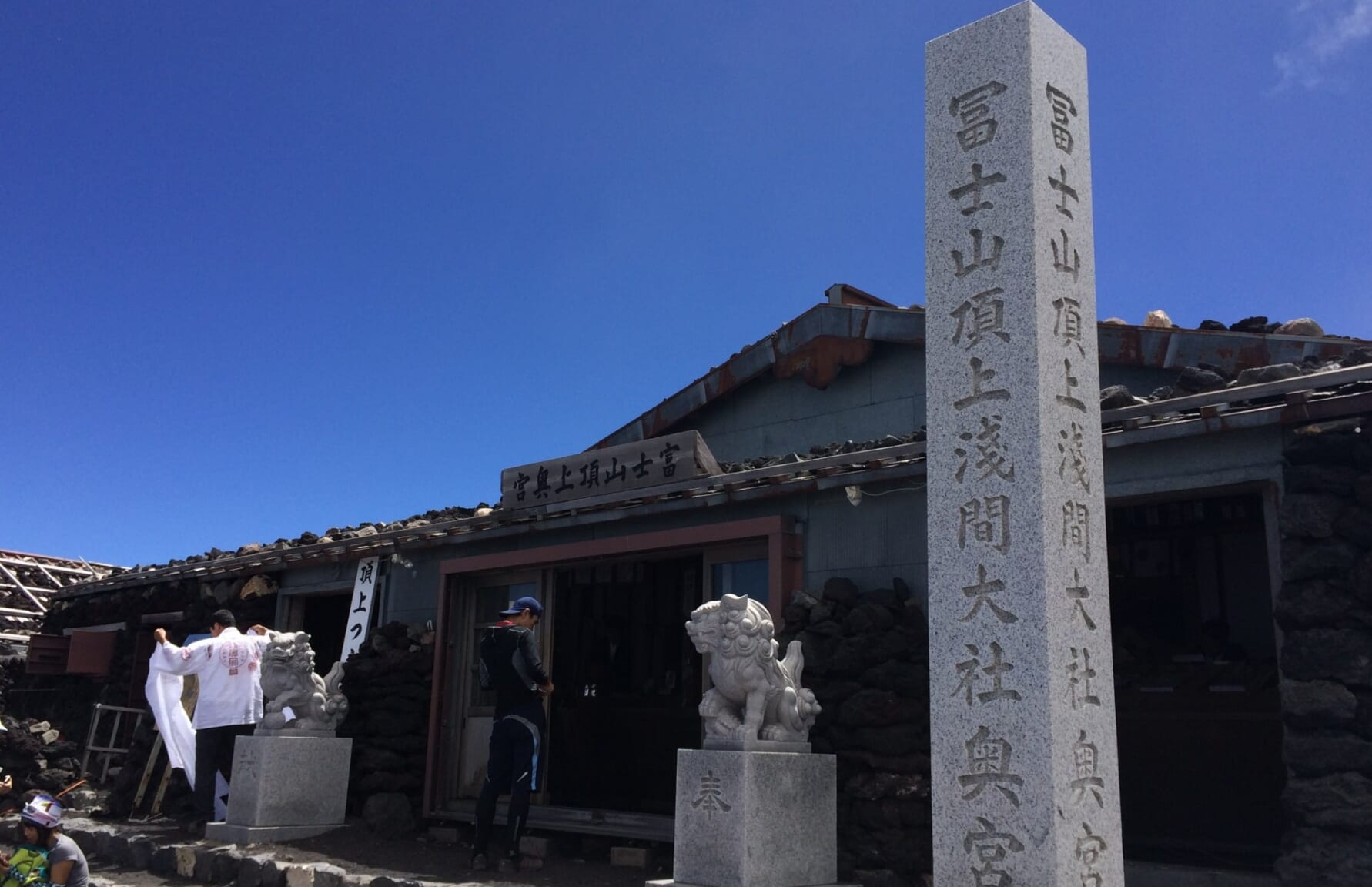 This trail also passes by the Fujisan Hongu Sengen Taisha Okumiya (富士山本宮浅間大社奥宮), a shrine located near the summit that’s actually part of the Fujisan Hongu Sengen Taisha located in downtown Fujinomiya city, only that this section is located at 3,712meters, adding a cultural touch to the climbing experience.
What Are the Pros and Cons of Each Route?
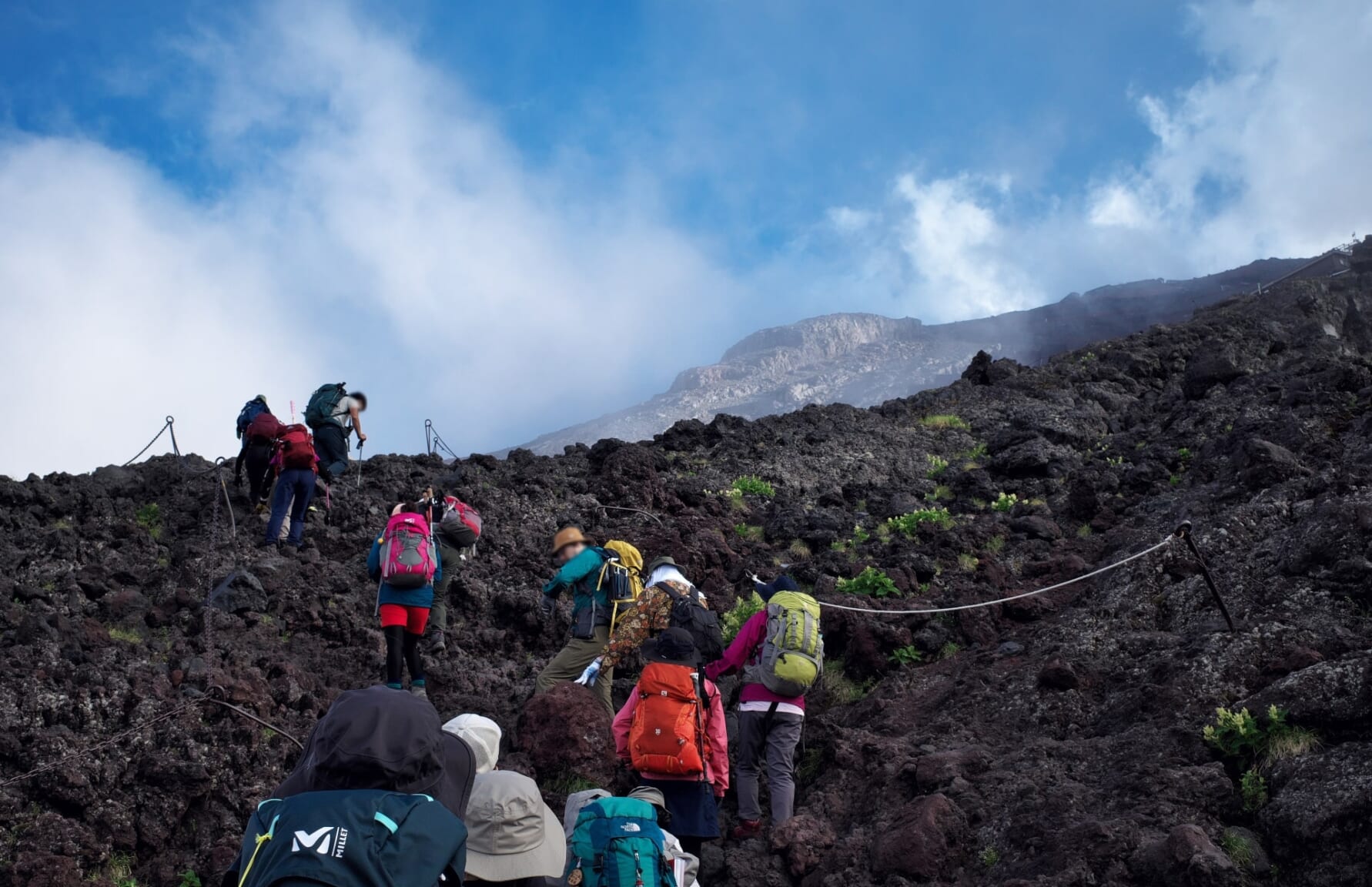
Each route has its advantages and disadvantages. The Yoshida Trail is well-equipped for beginners but as such, you can expect it to be crowded. The Subashiri Trail offers a peaceful climb but merges with the crowded Yoshida Trail higher up. The Gotemba Trail is less crowded and offers unique scenery but is physically demanding and has fewer facilities. The Fujinomiya Trail provides quick access to the summit but is steep and busy.
What is the Recommended Route for First-Time Climbers?
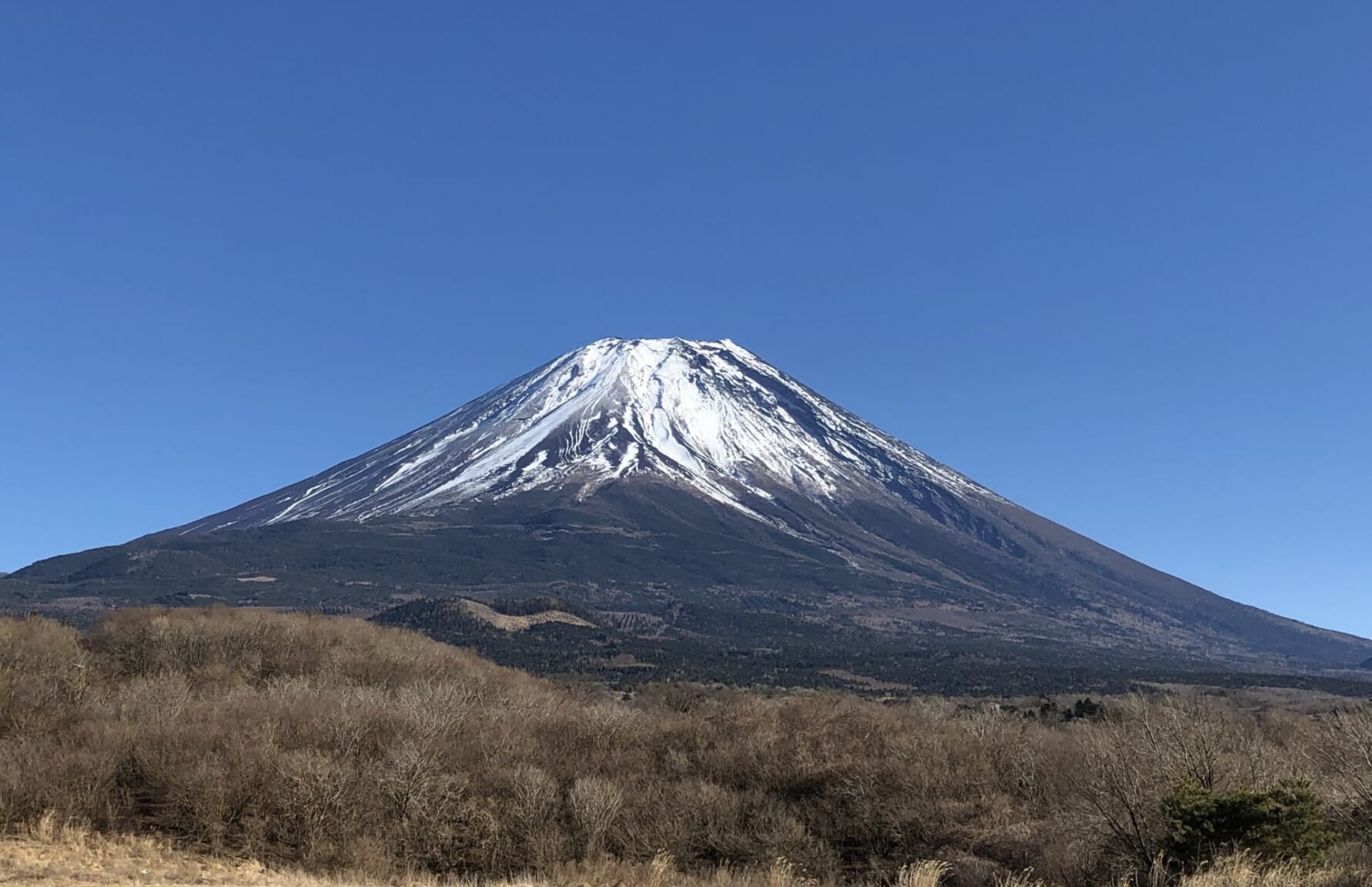 For first-time climbers, the Yoshida Trail is often recommended. Its popularity means it’s well-marked and offers plenty of support facilities, making it a safer and more comfortable choice for those new to the mountain. However, the best route ultimately depends on your personal preferences, physical condition, and climbing experience. Always remember, the journey is as important as the destination, so choose the route that best suits your abilities and enjoyment.
Mt. Fuji Climbing Tours
Feeling like going for it? You don’t have to do this on your own! You can book a tour with a knowledgeable guide so you can make the best of the experience while at the same time ensuring your safety.
More info: 10 Best Mt Fuji Tours and Activities
<<Book a 2-Day Mt. Fuji Climbing Tour with a round-trip from Shinjuku included here!>>
<<Book a small group tour (up to 8 people) to climb Mt. Fuji in 1 day here!>>
Mountain Huts on Mt. Fuji
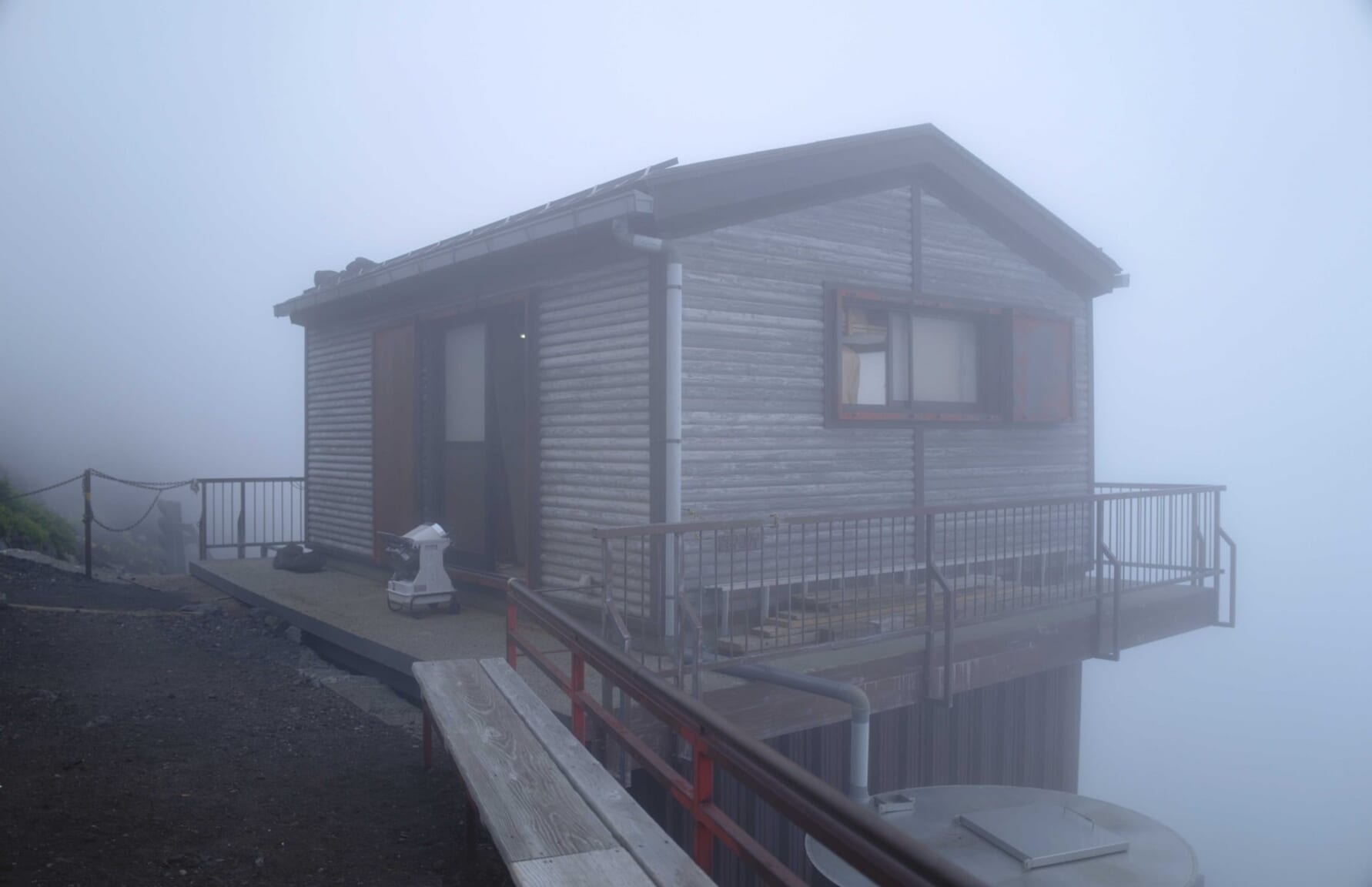 Mountain huts, or Yamagoya (山小屋), are a distinctive feature of the Mt. Fuji climbing experience. Strategically located along the climbing routes, these huts provide climbers with a place to rest, eat, and acclimatize. They vary in size, with the larger ones accommodating up to several hundred people.
Booking a spot in a mountain hut is highly recommended, especially during the peak season. Reservations can be made online or by phone, and costs typically range from 5,000 to 10,000 yen per night, often including a simple meal. It’s worth noting that these huts are not luxury accommodations; they offer basic bunk-style bedding and shared facilities.
The services provided by mountain huts include meals, drinks, and the sale of climbing gear. Some huts also offer “wake-up calls” for climbers who want to reach the summit in time to witness the sunrise. Remember, these huts are a lifeline for climbers, providing essential services and safety on the mountain.
▶ Official Government website with information about Mountain Huts on each trail
Mt. Fuji Climbing Etiquette and Safety Measures
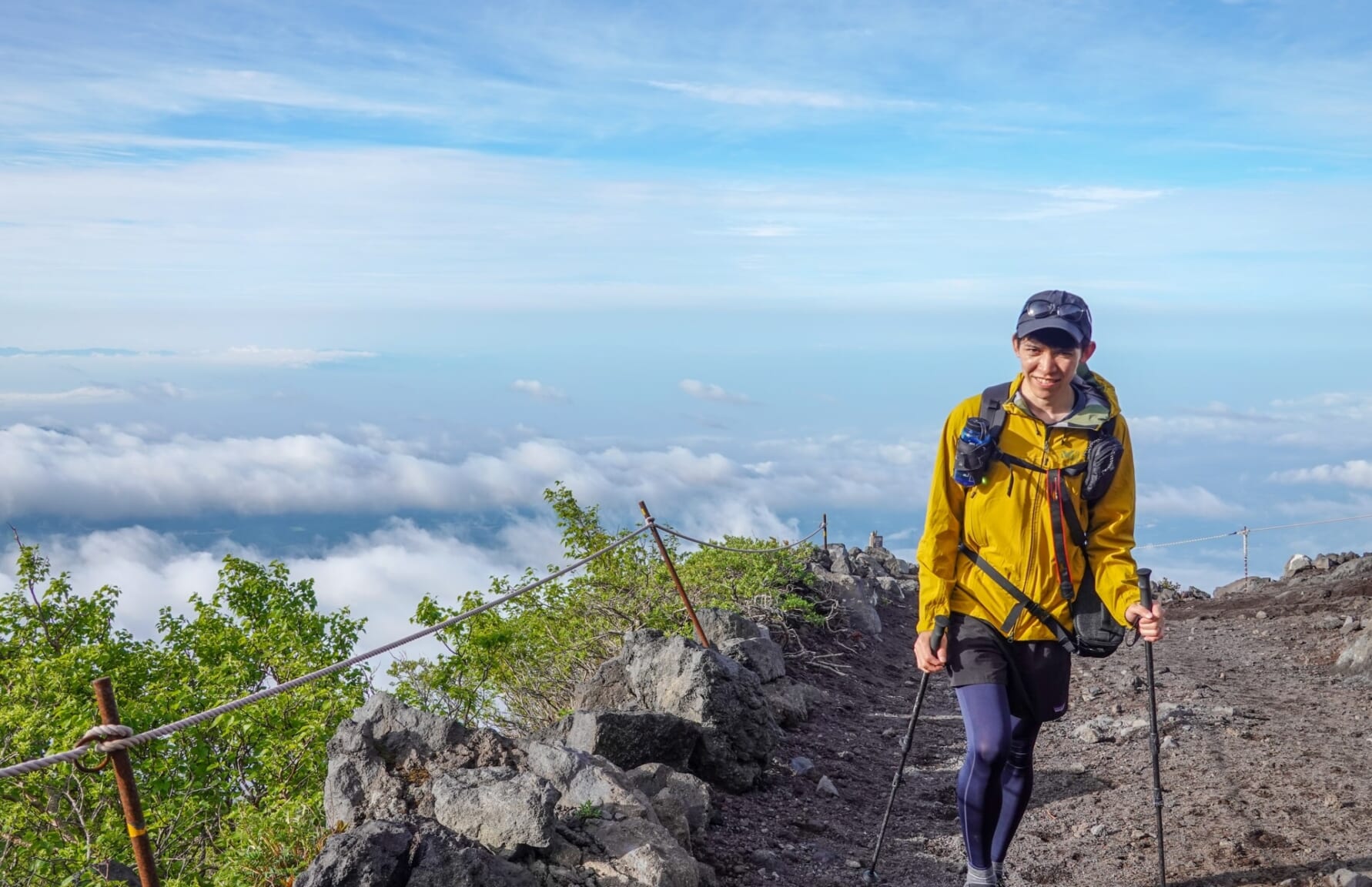 Climbing Mt. Fuji is more than just a physical endeavor; it’s a journey that takes you into a space of significant natural beauty and cultural heritage. As such, it’s essential to approach the climb with a sense of respect and responsibility.
Firstly, respect for the environment is paramount. Mt. Fuji is a UNESCO World Heritage site, and its preservation depends on the actions of those who visit. Carry out all trash, stick to the designated trails, and avoid making loud noises that can disturb wildlife and other climbers. Remember, you are a guest in this majestic natural setting.
Secondly, respect for others is crucial. The trails can become crowded, especially during the peak season. Maintain a steady pace, allow faster climbers to pass, and keep noise to a minimum, especially in the mountain huts where climbers are resting.
Safety should always be your top priority. Before your climb, check the weather forecast and avoid starting if severe weather is predicted. Once on the mountain, start early to avoid afternoon storms, and pace yourself to prevent altitude sickness. It’s not a race to the top, but a journey to be savored.
Always carry sufficient water, food, and warm clothing. Even in summer, temperatures at the summit can be freezing. A headlamp or flashlight is essential if you’re climbing at night or early morning.
In case of any physical discomfort or signs of altitude sickness, such as headache, nausea, or dizziness, don’t hesitate to descend or seek help. Mountain huts and the 5th station have medical facilities to assist climbers.
On Mt. Fuji: What to Expect
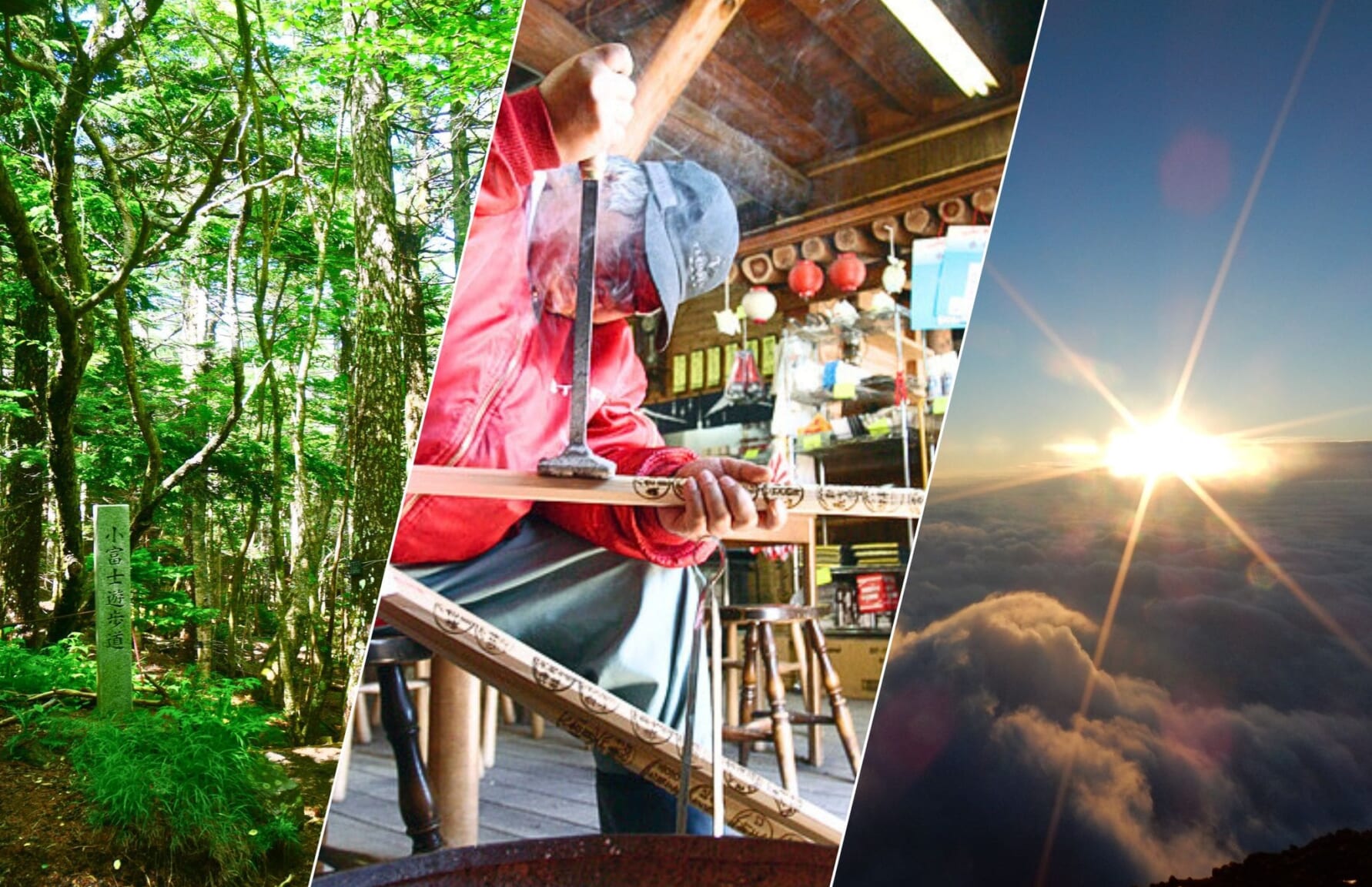 As you ascend, you’ll pass through different vegetation zones, each with its distinct flora and fauna. The lower slopes are lush with greenery, gradually giving way to volcanic landscapes as you climb higher.
Along the trails, you’ll encounter checkpoints where you can stamp your walking stick, a traditional memento of your journey. These stations also provide an opportunity to rest, hydrate, and adjust to the altitude.
Mountain huts, scattered along the routes, offer a chance to rest, eat, and even sleep. These huts are basic but provide essential services, including meals, drinks, and gear. Toilet facilities are also available at these huts and stations, usually for a small fee.
One of the highlights of the climb is undoubtedly the sunrise, or Goraiko (ご来光). Watching the sun rise from the land of the rising sun is a magical experience, painting the sky in hues of orange, pink, and gold. However, be prepared for crowds, especially during the peak season. Patience and respect for other climbers will enhance your experience.
After the Climb
 Descending Mt. Fuji can be as challenging as the ascent, if not more. The paths are steep and covered in loose gravel, requiring careful navigation. Trekking poles can be a great help, providing stability and reducing strain on your knees. Remember to take it slow and steady to avoid slipping or falling.
Once you’ve safely descended, the adventure doesn’t have to end. The areas surrounding Mt. Fuji offer a wealth of attractions to explore. The town of Kawaguchiko, for instance, is famous for its hot spring baths, or “onsen,” where you can soak your tired muscles while enjoying views of the mountain.
The Fuji Five Lakes area is a natural paradise, offering activities like boating, hiking, and bird watching. For a deeper understanding of Mt. Fuji’s cultural significance, visit the Fujisan World Heritage Center.
More information about what to do around Mt. Fuji:
20 Best Things to Do in Mt Fuji Area: Mt Fuji Bucket List
5 Onsen at Lake Kawaguchiko with a View of Mt.Fuji!
Finally, take some time to reflect on your achievement. Climbing Mt. Fuji is no small feat. As an old Japanese saying goes, “You’re a fool if you haven’t climbed Mt. Fuji once, but you’re also a fool if you climb it twice” (富士山に一度も登らぬばかに、二度登るばか). However, whether you reached the summit or not, the experience is something to be celebrated. Remember, every step taken on the mountain is a step towards personal growth and a memory to be cherished.
▽Check out the best way for you to go to Mt.Fuji from Tokyo!▽
▽Here are more hiking spots in Japan▽
▶Mt Takao: Best Hiking Spot in Tokyo!
▶Kamikochi Japan Alps: Best Place to Hike in Japan
▶Hiking at Mt Asahi Daisetsuzan National Park, Hokkaido
▶Mt. Oyama: Hike on the Sacred Mountain in Kanagawa!
▽Subscribe to our free news magazine!▽
For more information about hiking spots and traveling around Japan, check out the following articles!
▽Related Articles▽


▼Editor’s Picks▼
Written by
Photographer, journalist, and avid urban cyclist, making sense of Japan since 2017. I was born in Caracas and lived for 14 years in Barcelona before moving to Tokyo. Currently working towards my goal of visiting every prefecture in Japan, I hope to share with readers the everlasting joy of discovery and the neverending urge to keep exploring.
- +2 37
-
-